
Key Takeaways
- Treating channels as independent silos is the most common full-funnel mistake.
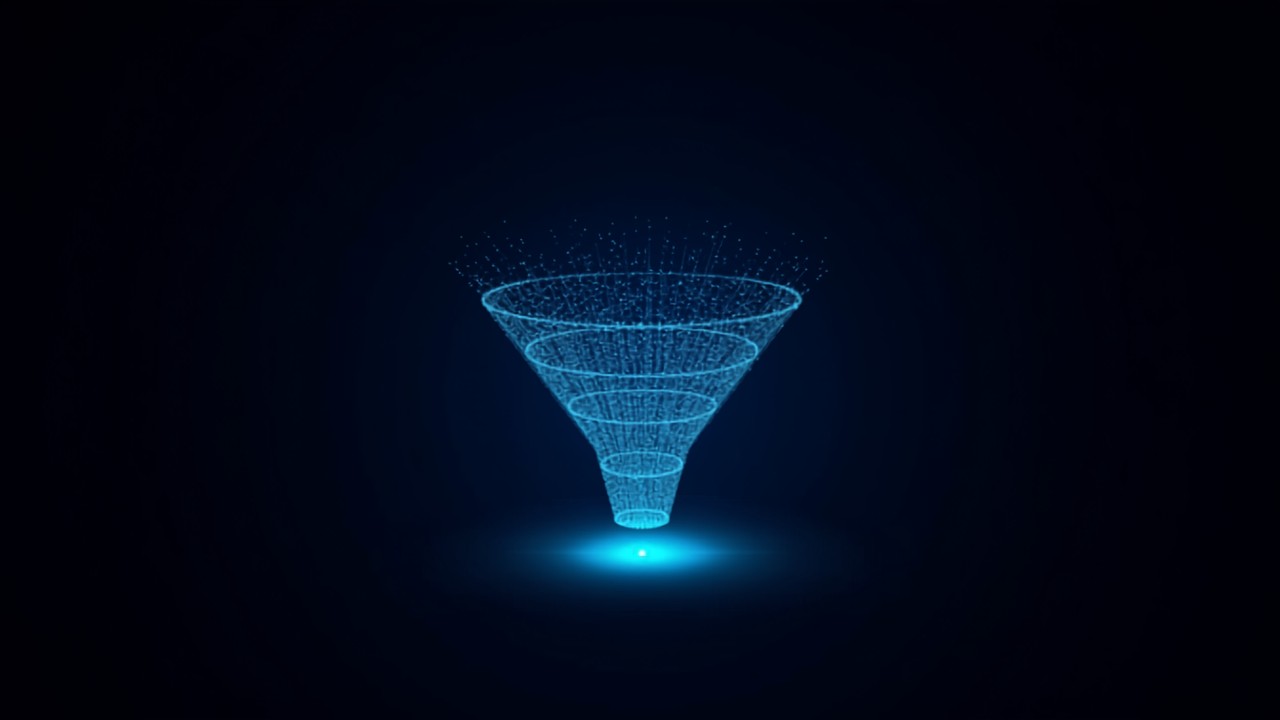
- Top-of-funnel: awareness campaigns via programmatic, video, and social.
- Mid-funnel: nurturing through content, retargeting, and email sequences.
- Bottom-funnel: conversion via high-intent search, landing pages, and personalized offers.
The biggest mistake brands make is treating marketing channels as independent silos. Your paid social team optimizes for impressions, your search team chases clicks, and your email team focuses on open rates — but nobody owns the full customer journey.
Full-funnel marketing is a system, not a tactic. It connects every touchpoint — from the first brand impression to the final purchase and beyond — into a cohesive experience that compounds over time.
The three stages of the marketing funnel
At the top of funnel, we deploy awareness campaigns through programmatic, video, and social. Mid-funnel, we nurture with content, retargeting, and email sequences. At the bottom, we convert with high-intent search, landing pages, and personalized offers.
| Stage | Goal | Typical channels | Measure it by |
|---|---|---|---|
| Top of funnel (awareness) | Reach new people who fit your ideal customer | Programmatic, video, paid social, PR | Reach, engaged views, branded search growth |
| Middle of funnel (consideration) | Build trust and stay top of mind | Content, retargeting, email, webinars, reviews | Engagement, return visits, list growth |
| Bottom of funnel (conversion) | Turn intent into revenue | High-intent search, landing pages, offers, sales follow-up | Conversion rate, CPA, revenue |
Each stage needs its own message. Awareness ads should tell a story, consideration content should prove you're credible, and conversion assets should remove the last objections. One message everywhere wastes the strengths of each stage.
Why the stages must work together
The magic happens when these stages work together. Top-funnel brand awareness improves bottom-funnel conversion rates. Bottom-funnel conversion data informs top-funnel targeting. Each stage feeds the next, creating a self-reinforcing growth loop.
It's also why judging every channel on last-click results misleads. Awareness campaigns rarely get the final click, but cutting them usually shrinks the pool of people who later search for you and convert.
How to build a full-funnel system
- 1Map the real customer journey. Use analytics, CRM data and customer interviews to see how your best customers found you, compared options and bought.
- 2Set a goal and KPI for each stage, so every channel is judged on the job it's meant to do.
- 3Build audiences that move people forward. Retarget people who engaged at the top with proof in the middle and offers at the bottom.
- 4Connect your data. Feed conversion and CRM data back into your ad platforms so targeting improves at every stage.
- 5Review the whole funnel together every month, with one view of spend, pipeline and revenue.
Common full-funnel mistakes
- Spending almost everything at the bottom of the funnel, then wondering why growth stalls when existing demand runs out.
- Running awareness campaigns with no way to retarget or follow up with the people they reach.
- Letting each channel team optimize its own metric with no shared revenue goal.
- Measuring only last-click conversions, which hides the value of the top and middle of the funnel.
Growth Intellects builds full-funnel systems using cross-channel attribution and AI-powered optimization. We don't just manage campaigns — we engineer predictable revenue machines that scale with your ambition.
Running paid media across many channels? Our guide to omnichannel advertising shows how to give each channel a clear role.
FAQ
What is full-funnel marketing?
It's a strategy that connects awareness, consideration and conversion into one coordinated system, so each stage feeds the next instead of channels running in isolation.
How is full-funnel marketing different from omnichannel marketing?
Full-funnel describes covering every stage of the buyer journey. Omnichannel describes connecting every channel so they share one message and one measurement framework. The strongest strategies do both.
How should you split budget across the funnel?
There's no single right split. Start from your goals and sales cycle, make sure no stage is starved, and rebalance based on how each stage affects pipeline and revenue over time.
Which metrics matter in full-funnel marketing?
Use stage-specific metrics for each channel, then judge the whole system on blended numbers such as customer acquisition cost, revenue and marketing efficiency ratio.
Related articles



Zeba Warsi
AI-Driven Growth Strategist
Zeba Warsi is an AI-first growth strategist focused on scaling brands through performance marketing, intelligent automation, and data-driven decision-making. With hands-on experience across global markets, Zeba specializes in turning insights into scalable strategies, driving traffic, optimizing conversions, and unlocking sustainable digital growth. She actively shares practical, future-ready marketing frameworks to help businesses stay competitive in an AI-powered landscape.